

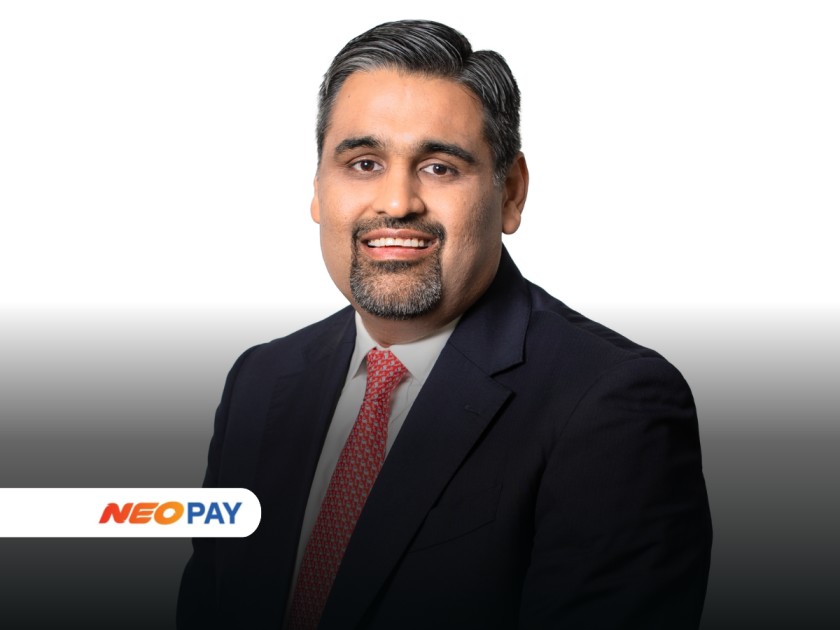
By: Vibhor Mundhada, CEO NEOPAY
For years, the payments industry has focused on one metric: speed. Faster authorisation, quicker settlements, frictionless checkout experiences, and instant payments. In markets like the UAE, where digital payments have become part of everyday life, that race has largely been won. Customers can tap, scan, or pay online in seconds, while merchants receive funds faster than ever before.
So, what comes next?
The next era of payments will not be defined by how quickly money moves. It will be defined by how intelligently payment data is used once a transaction is completed.
Every digital payment creates far more than a financial transaction. It generates a rich layer of information about customer behaviour, purchasing patterns, payment preferences, cash flow, and business performance. Yet much of that intelligence has remained buried in reports and dashboards, requiring merchants to search for answers themselves.
Artificial intelligence is changing that. Instead of asking merchants to interpret data, dashboards are beginning to interact with them through conversation. Imagine asking, “why were my sales lower this weekend?” or “which payment channel is growing the fastest?”.
Rather than navigating multiple dashboards, merchants can now receive an instant, contextual answer, along with recommendations on what to do next. This may sound like a small shift in user experience, but it represents a much bigger transformation. Payments are evolving from systems that simply process transactions into platforms that help businesses make better decisions.
The UAE is well positioned to lead this evolution. Initiatives such as the Dubai Cashless Strategy, which NEOPAY has signed up for, have accelerated digital payment adoption across consumers and businesses, creating one of the region’s most advanced payment ecosystems. As digital payments become ubiquitous, the industry’s focus is naturally shifting from enabling transactions to unlocking the intelligence behind them.
At NEOPAY, we see this evolution every day. Processing transactions across retail, hospitality, mobility and e-commerce gives us a unique view of changing customer behaviour. The opportunity is no longer just helping merchants accept payments but helping them unlock the value within every transaction.
The transformation begins long before a merchant accepts their first payment. AI-assisted document verification, automated onboarding, and intelligent risk assessments are already reducing the time it takes for businesses to start accepting payments while strengthening security and compliance from day one. For SMEs especially, removing operational friction means they can focus less on administration and more on growth.
Once merchants are live, AI’s role becomes even more valuable.
Instead of spending hours reviewing reports, business owners will increasingly interact with their transactions data like a trusted advisor, asking questions, exploring opportunities, and receiving tailored recommendations. Payments are becoming less about accessing information and more about having a conversation with the data itself.
Beyond conversational AI lies an even bigger shift: agentic commerce.
Rather than waiting for merchants to ask questions, AI will proactively monitor business performance, identify unusual patterns, flag operational risks, and recommend actions before problems escalate. This is closer than it sounds, with Visa and Mastercard both having launched dedicated agentic commerce frameworks.
With NEOPAY’s platform, a retailer, for example could receive an alert that checkout declines have increased on one payment channel and a restaurant could be notified that weekend sales are trending below seasonal expectations, with AI identifying the underlying drivers. For consumers, this intelligence will translate into faster, more personalised, and frictionless payment experiences, with AI helping surface the best payment options and simplifying checkout.
Security is evolving in much the same way.
As fraud becomes increasingly sophisticated, traditional rule-based systems are no longer enough. AI is helping payment providers detect behavioural anomalies in real time, reduce false positives, accelerate investigations, and strengthen trust without adding friction to the customer experience. In our own security operations, AI agents now cover the full lifecycle from threat triage to investigation and response, cutting manual analysis by more than 70% and closing investigations in seconds rather than minutes.
Perhaps AI’s greatest long-term impact, however, will be in access to finance.
SMEs are the backbone of the UAE’s economy, and a central pillar of the We the UAE 2031 Vision, yet many continue to face barriers when seeking working capital because traditional lending models rely heavily on historical financial statements. Transaction data tells a far richer story. It reflects how a business is performing today, not six months ago. By analysing transaction data, AI can assess business health continuity, enabling faster lending decisions that better reflect current performance. Partnerships across the fintech ecosystem, including our own with Mashreq Bank, Wio Bank, CredibleX, Biz2X and others in the pipeline are already moving in this direction, connecting merchants with financing that is quicker, more relevant, and better suited to their cash-flow needs.
Of course, intelligence must always be matched with responsibility.
The future of AI in payments depends on trust. Decisions that affect businesses and consumers must remain transparent, secure, and governed by robust regulatory frameworks with meaningful human oversight. AI should strengthen confidence in the payments ecosystemand not replace it.
Adoption is no longer the challenge in the UAE; the depth of use is. The next phase is not simply about enabling more digital transactions; it is about ensuring every transaction generates intelligence that helps businesses grow.
Payments are no longer just transactions moving from one account to another. They are becoming conversations: continuous, intelligent exchanges between businesses and the data they generate every day.
The payment providers that will define the next decade won’t simply move money faster. They will help merchants understand their businesses better, anticipate opportunities sooner, and make smarter decisions with every payment they receive.
